|
|
 |
|
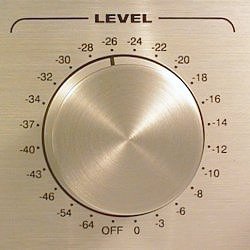
Goldpoint
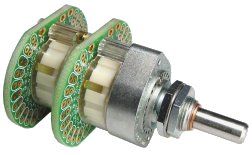
stepped attenuators sound better than potentiometers, (even very expensive
ones). This has been the consensus of audiophiles for many years. But unlike
common potentiometers (or other stepped attenuator brands), our stepped
attenuators provide very clear sound and precise signal level matching. |
|
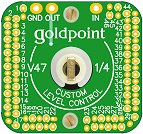
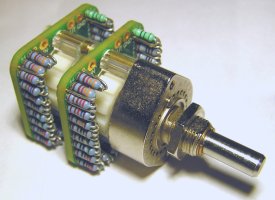
| The
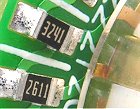
surface mounted resistors used on the standard Goldpoint Mini-Vs are 0.1%
Nichrome THIN film
with a thermal noise specification (TCR) of 25 PPM or 50 PPM. These are
the best sounding resistors I have ever used (or ever heard). They have
an essentially transparent sonic signature. This makes
them better than Vishay S102, IRC RC55, or even Caddock MK32 resistor types,
in our opinion, because they are not adding or subtracting any sound qualities
to or from your musical signals - just precisely accurate level control. |
| Because
of their precision, the standard Mini-Vs are also the best choice for recording
studio and other Balanced Input applications. This precision means perfect
channel-to-channel signal level tracking, so many audiophiles with regular
(single-ended) stereo applications can skip the use of balance controls
all together. |
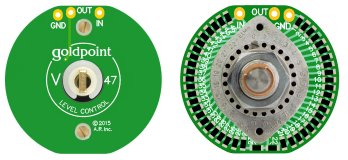
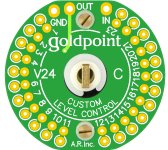
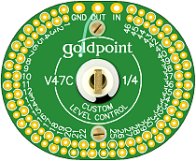
| I
highly recommend that you use our standard Mini-Vs unless you really need
to build a custom value stepped attenuator with some other overall resistance
value. For that situation you can use our Mini-V Custom (MVC) switches. |
| Goldpoint Level Controls
used to offer Ladder and Shunt type stepped attenuators too. The fact is
that with the very low noise, 0.1%, thin film resistors we are now
using, we believe that there is no real advantage to Ladders and Shunts
- and so have ceased offering them. The Mini-Vs sound that good! You get
a more reliable level control - at a lower cost! |
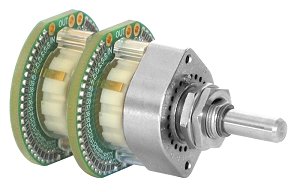
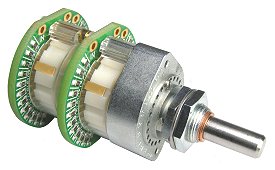
| Goldpoint
stepped attenuators, with their make-before-break, "low bounce", hard-gold
switch contacts, do not create "clicks" or "pops" during use. (The Ladder
and Shunt type attenuators of the past sometimes did.) They add only one
switch contact per channel to the signal path. They make great potentiometer
upgrades, are easy to install, and will last a lifetime under normal use. |
|
|